Will Plumbing LLC

We are Available 24/7

Building a new home is exciting, until the bills start stacking up. One cost that often surprises homeowners, builders, and even seasoned contractors is plumbing. From hidden pipes to fixtures that seem to double in price overnight, estimating plumbing costs can feel like chasing a moving target. But here’s the thing: plumbing is not where you want surprises. It’s the system that keeps everything flowing. Understanding what affects plumbing rates and how new build plumbing expenses break down can help you stay ahead, so your project runs smoothly, and your budget doesn’t spring a leak.

What’s Included in New Construction Plumbing?

New construction plumbing is more than just pipes behind walls, it’s an entire system coming to life. It starts with the plumbing rough-in, where the framework gets built; water line installation, drainage system, and vents are all laid out according to your house plumbing plan. Think of it as the skeleton. Then comes the finish stage; installing the plumbing fixtures like sinks, faucets, tubs, and toilets. Rough-in is what you don’t see but can’t live without and finish work is what makes the system usable. Together, they turn your plans into a working home that flows, drains, and holds up for years.

Key Factors That Affect Plumbing Costs in 2025

House Size: Why Square Footage Matters

When planning your plumbing cost, square footage is one of the biggest factors. Larger homes mean more piping, longer connections, and more time on-site. Expect your cost per square foot plumbing to rise with added space. Here’s a breakdown of average plumbing costs based on common home sizes:

House SizeAverage Plumbing Cost
200 sq. ft. tiny home$1,500 – $3,000
500 sq. ft. studio$2,500 – $4,500
1000 sq. ft. home$4,800 – $6,500
1500 sq. ft. home$6,000 – $9,000
2000 sq. ft. home$8,500 – $12,000

Number of Bathrooms and Kitchens

Every bathroom or kitchen you add means more plumbing work. From rough-ins to hookups, each sink, shower, or dishwasher adds labor, materials, and time. Even a half bath can raise costs more than you can expect. 

On top of that, basic fixtures are more affordable, while high-end options with advanced features can significantly increase your budget. For example, a basic toilet might cost around $100, while a high-end model with advanced flushing technology could cost as much as $500. Similarly, a simple kitchen sink could cost around $150, while a premium model with additional features might cost over $1,000.

PEX vs. Copper: Making the Choice

PEX is flexible, affordable, and ideal for fast installs which is perfect for indoor systems. Meanwhile, copper costs more but lasts longer and resists bacteria, making it great for outdoor lines. The type of plumbing pipe material you choose affects not just cost but performance and longevity. Here’s a breakdown of their average cost:

Type of MaterialQualityPrice (Per liners foot)
PEX TubingPremium$0.50 – $1.50
PVC PipesPremium$0.40 – $2
Copper PipesHigh End$3 – $8
FittingsStandard$0.30 – $5

Labor Costs and Permits

Labor rates vary widely. So when you ask, “How much does a plumber cost?”, the answer depends on your region. Expect the plumber hourly rate to climb in high-demand areas. Also, don’t forget about permit fees, which local building departments require for plumbing work in new construction, and they can add up fast.

Complexity of Design and Layout

Ever wonder why two homes the same size can have very different plumbing costs? It often comes down to layout. Homes with tricky corners, extra floors, or custom features take more time and skill to plumb. A well-planned plumbing layout helps keep the job smoother and the overall cost more manageable.
Labor Costs: What Plumbers Charge

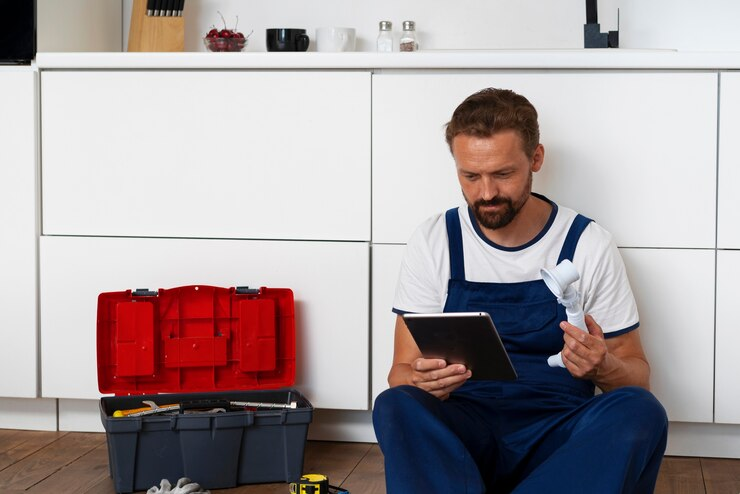
As you might have already guessed, labor is a big part of your overall plumbing cost, and rates can vary more than you might think. On average, the plumber hourly rate ranges from $50 to $150, depending on your location. Some plumbers offer flat rates for specific jobs, while others charge by the hour. 

When you are comparing plumbing estimates, be sure to ask what is included. Are permit fees extra? What about travel time? In many cases, pricing also shifts based on location, since urban jobs often cost more than rural ones. And while that bargain quote might look good now, hiring someone experienced means fewer surprises later.

Get a Professional Estimate

Material costs are easy to price out, but labor? That’s where things vary. Every plumber charges differently, which is why it pays to shop around. At Will Plumbing, we offer a free estimate on plumbing so you know exactly what to expect before the work begins. Our detailed plumbing estimates help you compare options, avoid hidden fees, and stay within budget from day one.

Frequently Asked Questions – FAQs

What is estimation in plumbing?

Plumbing estimating is the process of calculating the projected costs and materials needed to complete a plumbing project. 

How much does plumbing cost for a new house?

On average, the cost of plumbing a new house is $7,500. The lowest estimate can come up to $1,500, but more detailed work can even exceed $15,000. 

How much do pipes cost?

The cost to repipe a house is between $1,500 and $15,000, and the average homeowner spends $7,500. You can expect to spend $0.40 to $8 per linear foot on the piping, depending on the type of pipe. 

How do I know my plumbing pipe size?

In the best-case scenario, the pipe size is written on the side of the pipe. You’ll often find this with different types of plastic piping like PVC, PEX, or CPVC. 

What are the importance and benefits of cost estimation?

Cost estimation helps you determine your project’s budget, schedule the necessary work, and manage new resources.
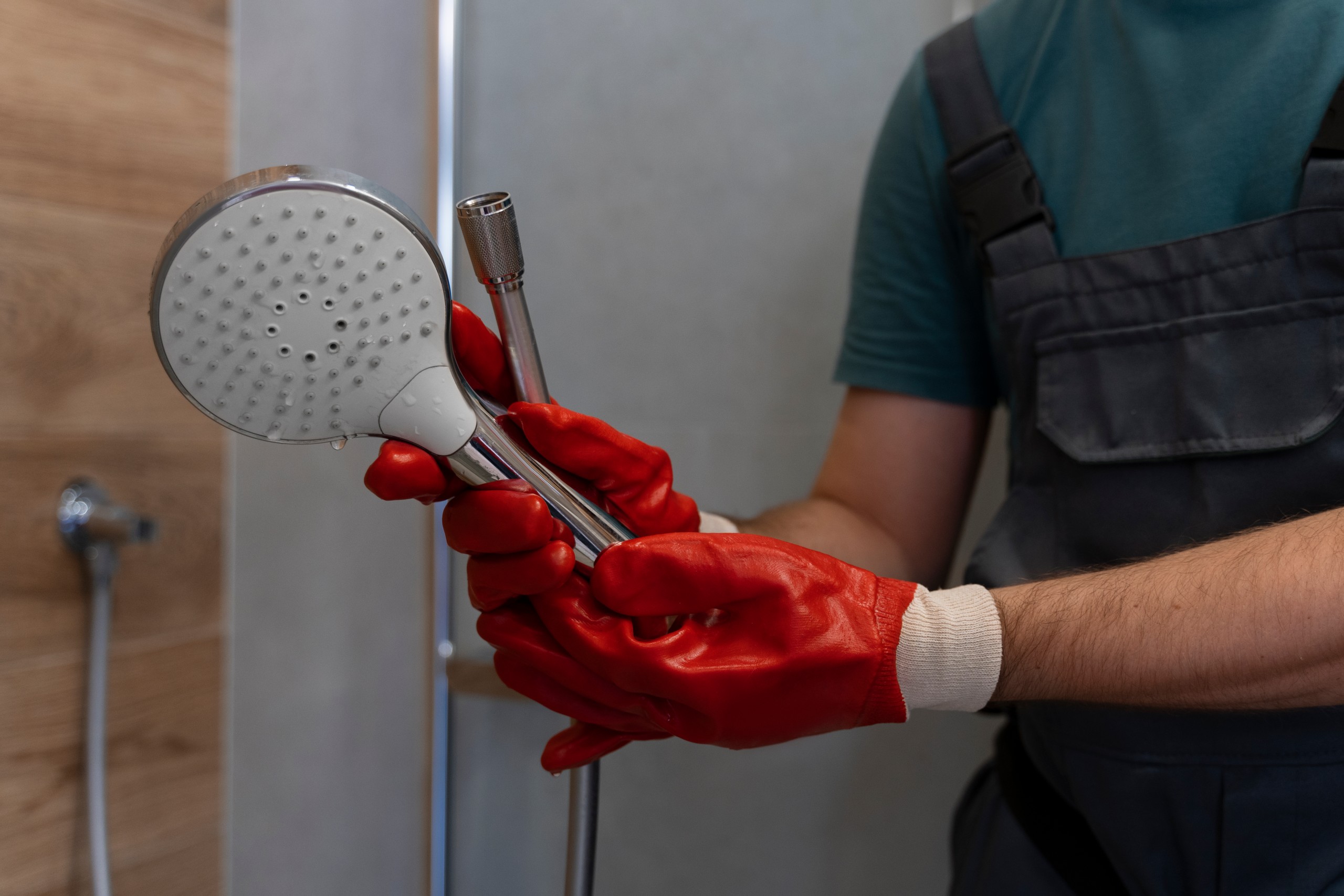
Mold is never a welcome sight, but unfortunately, your shower offers the ideal environment for it to grow. The constant moisture creates the perfect setting for mold spores to spread, and if left untreated, they can even move beyond the bathroom. While bleach or ammonia might clean the surface, they often fall short of fully solving the problem, and on top of that, they come with their own risks to your health and the environment.

But the question that every homeowner dealing with mold is “how to remove mold from the shower?” This blog will guide you through some of the most effective home remedies, using safe ingredients, that you can follow to easily get rid of mold. 

What Causes Mold in the Shower?

Moisture and humidity are the main reason behind mold growth, and bathrooms naturally have plenty of both. Water from the sink, toilet, and especially the shower keeps the space damp and wet, creating the perfect environment for mold to grow. Hot showers only add to the problem by increasing humidity levels even more. As a result, mold often shows up in places that stay damp the longest, like shower curtains, window sills, corners, crevices, and around fixtures and drains.

How to Get Rid of Mold in the Shower?

Getting rid of mold in your shower is important to keep your bathroom clean and safe. If you spot mold starting to form and want to tackle it yourself, there are simple home remedies you can follow. Before you begin, gather the tools and cleaning supplies you’ll need:

  • Hand vacuum or broom
  • Soft-bristled cleaning brush
  • Scrubbing sponge
  • Spray bottle
  • Wet cloth or rag
  • Bleach
  • Vinegar

Create a Vinegar Solution for Mold Removal

Vinegar is a simple and powerful way to get rid of mold, killing up to 82% of mold spores, bacteria, and viruses without needing to be diluted. Just pour it into a spray bottle and, if the smell is too strong, add a few drops of essential oil to help mask the odor. Spray the affected area and let it sit for a few minutes or even a few hours, depending on how tough the mold is. Wipe down surfaces and use a brush or old toothbrush to scrub grout.

Use Hydrogen Peroxide to Kill Black Mold

Hydrogen peroxide is a safe, non-toxic, and eco-friendly option for removing black mold. It has strong antifungal and antibacterial properties, but it’s best to dilute it before use. Mix one part hydrogen peroxide with two parts water in a spray bottle and apply it to the moldy areas. Be sure to wear gloves while cleaning, and test a small spot first, as hydrogen peroxide can have a mild bleaching effect. 

Make a Tea Tree Oil Solution to Remove Mold

Tea tree oil is a natural, non-corrosive option for removing and preventing mold. Thanks to its antifungal and antibacterial properties, it works well without the harsh effects of bleach or ammonia. To make a cleaning spray, mix one teaspoon of tea tree oil with one cup of water in a spray bottle, shake well, and spray it on the moldy area. For best results, choose an oil with at least 30% terpinene 4-ol and no more than 10% to 15% cineole. It is a simple yet effective home remedy to remove stubborn mold in your shower.

Disinfect the Surface Using a Baking Soda Solution

Baking soda is a gentle yet effective cleaner that works well for disinfecting surfaces and removing odors. After removing mold, you can use it to clean and freshen up your shower. For a spray solution, mix one to two tablespoons of baking soda with two cups of water and shake well in a spray bottle. To scrub tough spots like grout, make a paste using equal parts baking soda and water. Apply it to the surface, let it dry, then scrub clean it with a wet cloth or rag for a fresh, mold-free finish.

How to Prevent Mold Growth

No homeowner wants mold to grow in their shower. Fortunately there are easy ways to prevent the growth of mold. Here are some proven tips you can follow to reduce the risk of future mold growth.

  • Use a Bathroom Fan: Always turn on the exhaust fan during and after showers to reduce humidity levels in the bathroom.
  • Open a Window or Use a Fan: If you don’t have an exhaust fan, open a window or place a box fan near the door to improve airflow.
  • Wipe Down Wet Surfaces: After showering, take a minute to dry off walls, floors, and countertops to remove excess moisture.
  • Seal Your Grout: Apply a grout sealer to prevent water from soaking in and creating a home for mold.
  • Keep Drains Clear: Regularly remove hair and debris from shower and sink drains to avoid standing water and reduce mold growth.

Conclusion 

Bathrooms are a common spot for mold, especially when moisture builds up. However, the good news is, with a few simple habits, you can keep it under control. Make sure your space is well-ventilated, dry off wet areas, seal your grout, and use mold-resistant paint to help stop mold before it starts.

Frequently Asked Questions - FAQs

How can I get rid of black mold in my shower?

Best For: With 4% acetic acid, Vinegar can kill black mold, penicillium, and chrysogenum, and is best used on nonporous surfaces

Vinegar is better at killing mold because it can work on both porous and nonporous surfaces. It also terminates molds at their roots so the mold won’t return and is also safer than bleach

You can also create a mixture of baking soda and vinegar. Pour a quarter cup of baking soda together with a cup of white vinegar into the drain. Wait for 10–15 minutes, and this baking soda and white vinegar mixture should get clean

Yes, mold can reappear after being treated with vinegar. While vinegar can kill some mold, it doesn’t eliminate all of it, and it doesn’t address the underlying moisture problem that allows mold to grow in the first place. To prevent mold from returning, it’s crucial to fix the source of moisture and ensure proper ventilation. 

To remove mold from shower caulking, use a mixture of bleach and water, vinegar, or hydrogen peroxide to kill the mold, and then scrub the area with a brush to remove the mold and mildew.